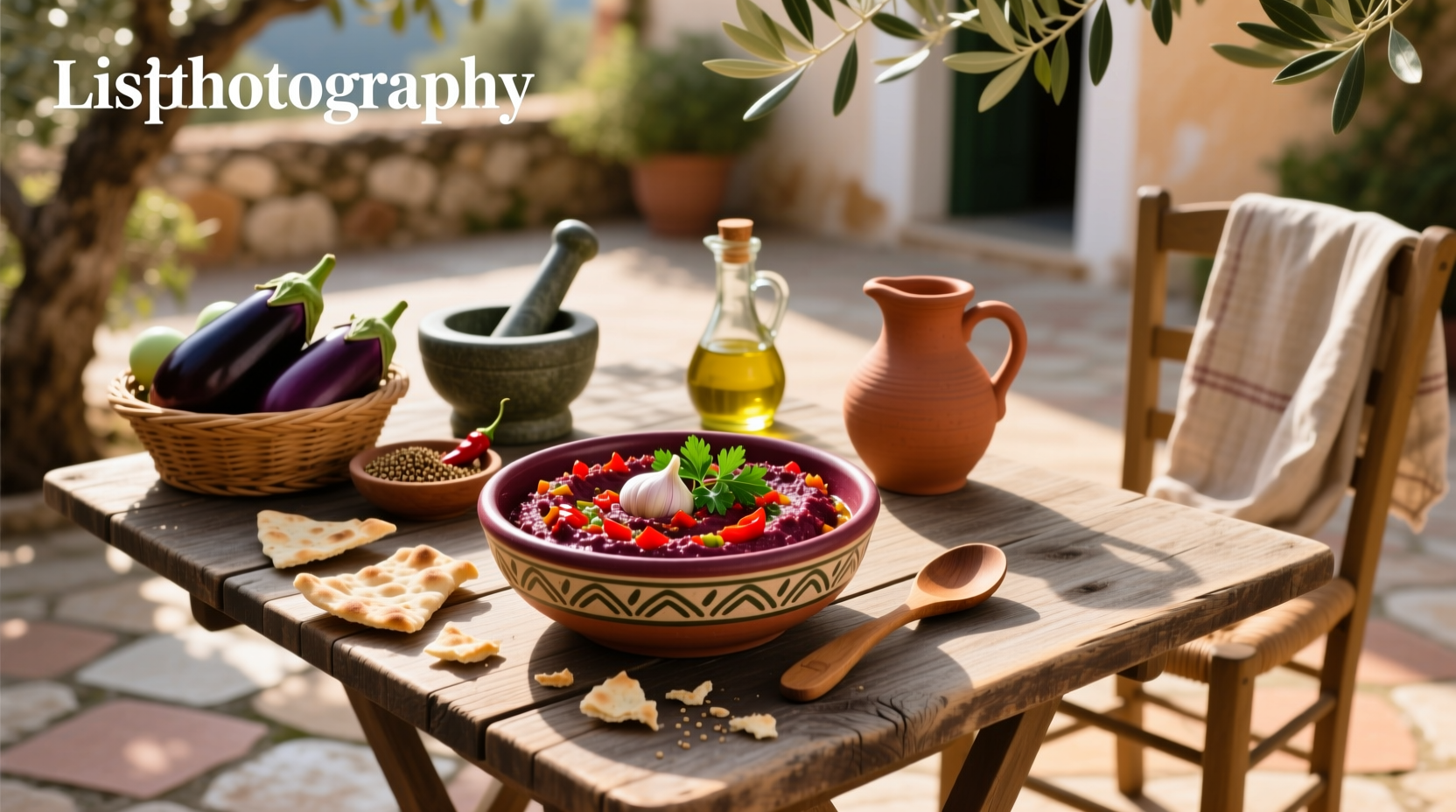
The Quest for Smoky Perfection: Oven vs. Flame in Crafting Your Spicy Roasted Eggplant Dip
There are few culinary delights as satisfying as a perfectly crafted spicy roasted eggplant dip. Its creamy texture, robust flavors, and signature smokiness make it an irresistible appetizer or a healthy, flavorful snack. But what truly sets an exceptional eggplant dip apart from a good one? Often, it comes down to how the star ingredient – the eggplant – is prepared. The battle for the ultimate smoky flavor often boils down to two primary methods: the convenience of the oven versus the primal intensity of a direct flame.
This article delves deep into both techniques, offering insights, tips, and the cultural context to help you master the art of the perfect spicy roasted eggplant dip, ensuring every spoonful is a journey of flavor.
The Allure of the Spicy Roasted Eggplant Dip
At its heart, this beloved dip is a symphony of simple, yet powerful ingredients. The eggplant, once roasted, transforms into a silky, tender base, ready to absorb and meld with an array of aromatic additions. Beyond its delightful texture, a well-made eggplant dip offers a complex flavor profile:
- Eggplant: The creamy canvas, providing a delicate sweetness and, crucially, a smoky depth when prepared correctly.
- Garlic: A foundational ingredient, offering a pungent, aromatic kick that complements the eggplant beautifully.
- Olive Oil: Essential for roasting, it adds richness and helps achieve that desired smooth consistency when blending.
- Cumin: A warm, earthy spice that lends an exotic depth to the dip, often associated with Middle Eastern and Indian cuisines.
- Paprika: Contributes a mild, sweet heat and enhances the smoky undertones, especially if using smoked paprika.
- Salt: A flavor enhancer, crucial for balancing and bringing out the best in all other ingredients.
- Lemon Juice: The bright, tangy counterpoint that cuts through the richness, adding a refreshing zest.
- Red Pepper Flakes: The optional, yet highly recommended, element for that "spicy" kick, allowing you to tailor the heat to your preference.
Whether you're serving it with warm pita bread, crisp fresh vegetables, or as a spread on toast, a spicy roasted eggplant dip is a versatile crowd-pleaser that promises both satisfaction and a touch of exotic flair.
Oven Roasting: Convenience Meets Flavor
For many home cooks, the oven is the go-to appliance for roasting, and for good reason. It offers unparalleled convenience, requiring less hands-on attention and providing consistent, even cooking. When it comes to spicy roasted eggplant dip, the oven is a perfectly viable method for achieving delicious results, especially if you lack a direct flame source or are preparing a larger batch.
How to Achieve Smoky Flavor in Your Oven-Roasted Eggplant:
- Prep Properly: Pierce your eggplants several times with a fork or knife to allow steam to escape. Lightly coat them with olive oil and a sprinkle of salt. This aids in softening and flavor development.
- High Heat is Key: Roasting at a higher temperature (around 400-425°F or 200-220°C) helps to caramelize the eggplant exterior, bringing out deeper flavors.
- The Hybrid Char Method: For an extra layer of smokiness without a full flame roast, you can start by charring your eggplants directly over a gas burner or under the broiler for a few minutes on each side until the skin is blackened and blistered. *Then*, transfer them to the oven to finish roasting until completely tender. This gives you the best of both worlds – char for smoke, oven for thorough cooking.
- Use Smoked Paprika: Incorporating smoked paprika into your dip's spice blend is an excellent cheat to amplify the smoky notes, complementing the natural flavors from oven roasting.
- Infuse Garlic: For an even more robust flavor, make a few slits in the eggplant before roasting and insert whole garlic cloves. They'll roast alongside the eggplant, mellowing and infusing it from within.
Oven roasting yields a wonderfully soft, almost custardy eggplant flesh that's ideal for blending into a smooth dip. While the smokiness might be subtler than its flame-roasted counterpart, these tips will help you maximize its potential, delivering a delicious and flavorful spicy roasted eggplant dip every time.
Flame Roasting: Unlocking Deep, Authentic Smokiness
If you're truly chasing that intense, authentic smoky flavor, there's no substitute for flame roasting. This traditional method, celebrated in dishes like Middle Eastern Baba Ghanoush and the Indian-inspired Baigan Choka and Baigan Bharta, imbues the eggplant with an unparalleled depth and character that the oven simply can't replicate entirely.
The Art of Flame Roasting:
- Direct Heat Source: A gas burner on your stovetop, an outdoor grill, or even an open fire are ideal for flame roasting. The direct contact with the flame blackens and blisters the eggplant skin, causing the flesh inside to steam and cook into a wonderfully smoky, soft pulp.
- Turn Frequently: Place the eggplant directly over the flame (using tongs for safety). Turn it every few minutes to ensure even charring on all sides. The skin should become completely blackened and shriveled, and the eggplant will soften significantly.
- Steam and Peel: Once fully charred and soft (it will feel collapsed), immediately transfer the hot eggplant to a bowl and cover it tightly with plastic wrap or a plate for 10-15 minutes. The residual heat will create steam, making the charred skin much easier to peel away.
- Collect Juices: As you peel, try to capture any smoky juices that release from the eggplant. These are pure flavor and should be added to your dip.
Cultural Roots and Enhanced Flavors: Baigan Choka & Baigan Bharta
The flame roasting method is particularly central to the preparation of dishes like Baigan Choka & Bharta. These spicy roasted eggplant dips, with roots in India and popularized in regions like Trinidad and Tobago, often incorporate additional ingredients roasted directly with the eggplant or added fresh for a vibrant, complex flavor profile:
- Roasted Garlic & Onion: In some traditional preparations, garlic cloves (and sometimes small pieces of onion) are nestled into slits made in the eggplant before roasting, allowing them to infuse the eggplant as it cooks.
- Scotch Bonnet Pepper: For an authentic Trini kick, a whole Scotch Bonnet pepper is often roasted alongside the eggplant or finely minced and added to the dip, providing intense heat and fruity notes.
- Fresh Ingredients: Tomatoes, fresh onions, cilantro, and mustard oil are common additions, typically mashed together with the smoky eggplant to create a chunkier, more substantial dip or side dish.
- Chunkaying/Chongkaying: The Indian Baigan Bharta often includes a tempering step where spices like cumin seeds, mustard seeds, and chilies are fried in oil until fragrant, then poured over the mashed eggplant, adding another layer of flavor and aroma.
Flame roasting certainly requires more attention and can be a bit messier, but the reward is a deeply complex, smoky eggplant base that forms the soul of an unforgettable spicy roasted eggplant dip.
Beyond the Roast: Crafting Your Perfect Spicy Roasted Eggplant Dip
Once your eggplant is roasted to smoky perfection, the final steps involve blending and seasoning to achieve your desired taste and texture. This is where you truly personalize your spicy roasted eggplant dip.
Texture: Smooth vs. Chunky
Your choice here depends on preference and the dip's intended use:
- Smooth Dip: For a classic, elegant dip (think Baba Ghanoush), transfer the roasted eggplant flesh (without the skin) to a food processor with garlic, lemon juice, olive oil, and spices. Blend until creamy and smooth.
- Chunky & Robust: For a more rustic, home-style dip akin to Baigan Choka or Bharta, hand-mashing the eggplant with a fork or potato masher retains some texture and body. This often pairs well with chopped fresh ingredients like tomatoes, onions, and cilantro.
Mastering the "Spicy" Element:
The "spicy" in spicy roasted eggplant dip can be customized to your heat tolerance:
- Red Pepper Flakes: The easiest and most common way to add heat. Start with a teaspoon and add more to taste.
- Fresh Chilies: For a brighter, fresher heat. Finely minced jalapeños or serranos offer a moderate kick. For extreme heat and authentic flavor, a small amount of finely chopped Scotch Bonnet (used with caution!) or habanero can be transformative. Remember to wear gloves when handling very hot peppers.
- Chili Powder/Cayenne Pepper: These can be incorporated into the spice blend for an even distribution of heat.
- Chili Oil: Drizzling a good quality chili oil over the finished dip adds both heat and an extra layer of flavor.
Final Touches and Serving Suggestions:
- Always taste and adjust seasonings. You might need more salt, lemon, or a dash more cumin to achieve perfect balance.
- A generous swirl of good quality extra virgin olive oil before serving adds a beautiful sheen and enhances the richness.
- Garnish with fresh herbs like chopped cilantro or parsley, a sprinkle of paprika, or a few extra red pepper flakes for visual appeal and fresh flavor.
- Serve with warm pita bread, an assortment of fresh crunchy vegetables (cucumber, carrots, bell peppers), sturdy crackers, or as a vibrant spread in sandwiches and wraps.
Conclusion
Whether you opt for the steady warmth of the oven or the fiery embrace of a direct flame, the journey to crafting the perfect spicy roasted eggplant dip is a rewarding culinary adventure. Both methods have their merits, offering distinct pathways to deliciousness. The oven provides convenience and reliability, while flame roasting unlocks an unparalleled depth of smoky flavor, connecting us to traditional preparations like Baigan Choka and Baigan Bharta. Experiment with techniques, play with spice levels, and discover your preferred way to coax the best out of this humble, yet versatile, vegetable. No matter your chosen path, you're guaranteed a creamy, flavorful, and wonderfully smoky dip that will tantalize your taste buds and impress your guests.
